Natural Amber?
Where did he come from?
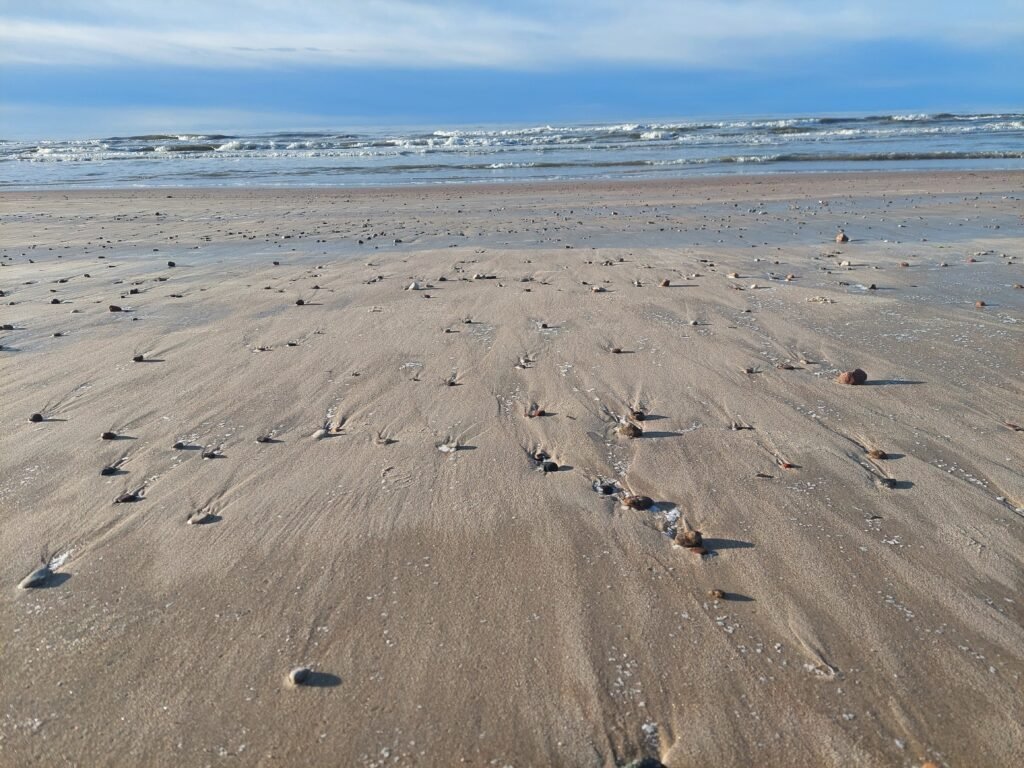
Natural amber has long been considered the gold of Lithuania. It took thousands of years for pine resin to become amber. The incredible story of amber formation: the resin flowed into the water for many years in the pine forests along the seashore, then fossilized on the seabed over thousands of years. Later, moving glaciers brought the yellowish stones to the surface. Since then, they are still being collected. Historical sources indicate that people gathered amber by the Baltic Sea thousands of years before Christ.
Why choose amber?
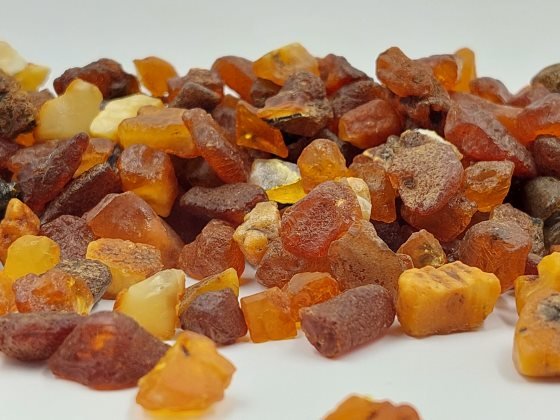
Reasons to have natural amber jewelry:
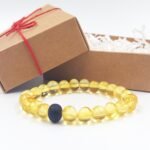
- because it is a beautiful and natural material that has been used for centuries to make jewelry. Due to its unique warm yellow color and impressive history, it is popular among both collectors and people who are passionate about fashion.
- it is said that amber has mystical powers and is often used in magical rituals. It is also considered a lucky talisman and is believed to bring good fortune to those who wear it.
- it is beautiful and unique, making it a wonderful gift for a special person that will surely be cherished for many years. This material is also used in works of art, such as sculptures and paintings.
- jewelry of amber is a great way to add a touch of luxury to any outfit and will undoubtedly help you stand out from the crowd. Whether you are looking for an extravagant or more subtle piece, amber jewelry will suit your needs.
You can easily match amber with any outfit and, depending on the occasion, can be worn in both formal and informal styles. If you want to look casual, try pairing amber jewelry with jeans and a t-shirt. If you want to look more formal, you can wear amber jewelry with a dress or suit. However, make sure that the amber touches your skin directly. This way, you will get more benefits from wearing it.
Amber inclusions – a storage of information from the past
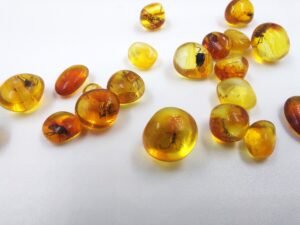
Amber inclusions are the most popular and rewarding objects of paleontological research, not so much because of the special way the remains are preserved, but because they have remained extraordinarily well-preserved. Amber inclusions continue to attract interest today, as the remains of plants and animals are the best witnesses of a distant geological and biological past. We know that inclusions are fossils that became trapped in resin millions of years ago, and the value of amber pieces that have turned into “repositories” is determined by both their scientific importance and aesthetic qualities.
Is it natural amber?
Natural amber simple tests:
- If amber glows whitish or bluish under UV light, it is real.
- The surface of amber can be rubbed with some kind of alcohol solution. A soaked cloth will immediately stick to a fake, while real amber will not react at all.
- Add 15 g of salt to 100 ml of water and stir, then drop the amber in. Real amber will float on the surface, while a fake will sink. After this procedure, don’t forget to rinse the amber.
- A drop of acetone or ether will not harm amber, but the surface of a fake amber will become sticky.
- Rubbing real amber in your palm will warm it up enough to smell the scent of pine resin.
Baltic countries can be proud of amber. Captivating people for many years, amber still remains a popular accessory. Amber jewelry makes us proud of its rich history. And if you visit the seaside, you might even get lucky and find a piece of amber yourself.